

Medical Credentialing Process for New Practitioners
Starting a healthcare practice or joining an established medical group represents a significant milestone in any practitioner’s career. However, before seeing patients and generating revenue, new practitioners must navigate the complex medical credentialing process. This comprehensive verification procedure ensures that healthcare providers meet the necessary qualifications, training, and competency standards required to deliver safe, quality patient care.
Medical credentialing serves as the foundation for a practitioner’s ability to practice medicine, receive reimbursement from insurance companies, and maintain hospital privileges. For new practitioners entering the field in 2026, understanding this process is crucial for establishing a successful practice and avoiding costly delays in patient care delivery.
Understanding Medical Credentialing Requirements
Medical credentialing is a formal process that validates a healthcare provider’s qualifications, experience, and competency to provide medical services. This verification system protects patients, healthcare organizations, and insurance companies by ensuring only qualified practitioners deliver care.
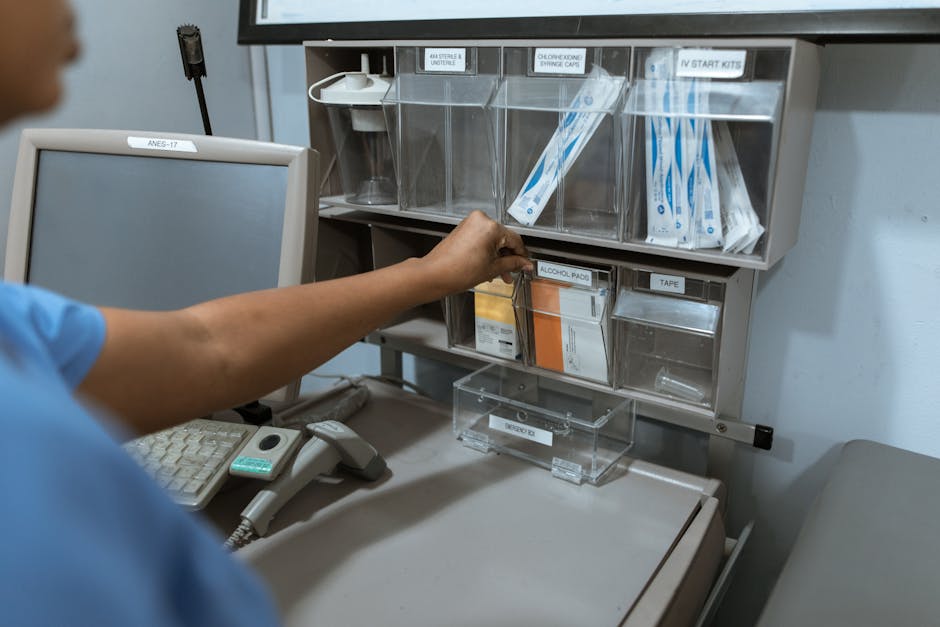
The credentialing process involves multiple components that new practitioners must prepare for:
- Primary Source Verification: Direct confirmation of education, training, licensure, and certifications from the original issuing institutions
- Background Checks: Comprehensive review of criminal history, malpractice claims, and disciplinary actions
- Work History Verification: Confirmation of previous employment, references, and any gaps in practice
- Insurance and Hospital Privileges: Verification of current malpractice insurance and hospital affiliations
Each credentialing entity, whether it’s a hospital, insurance company, or healthcare network, may have specific requirements beyond these basic elements. New practitioners should familiarize themselves with the standards set by organizations such as the National Committee for Quality Assurance (NCQA), which establishes credentialing guidelines widely adopted across the healthcare industry.
Essential Documentation and Application Requirements
Successful credentialing begins with thorough preparation and organization of required documentation. New practitioners must gather extensive paperwork that demonstrates their qualifications and professional standing.

Key documents required for most credentialing applications include:
- Educational Transcripts: Official transcripts from medical school, residency, and fellowship programs
- License Verification: Current state medical license and any additional state licenses where practice is intended
- Board Certifications: Certificates from relevant specialty boards demonstrating expertise in specific medical fields
- DEA Registration: Current Drug Enforcement Administration registration for prescribing controlled substances
- Malpractice Insurance: Proof of current professional liability coverage meeting minimum requirements
- Hospital Privileges: Documentation of current hospital affiliations and clinical privileges
Beyond these core documents, practitioners must provide detailed work history covering the past several years, including explanations for any gaps in employment or practice. Professional references from colleagues, supervisors, or department heads are typically required to vouch for the practitioner’s competency and character.
Many credentialing applications now utilize standardized forms such as the Council for Affordable Quality Healthcare (CAQH) ProView profile, which streamlines the application process by allowing practitioners to maintain a single, comprehensive credential file that multiple organizations can access.
Timeline and Common Delays in the Credentialing Process
The medical credentialing process is notoriously time-consuming, often taking 90 to 180 days or longer to complete. New practitioners must plan accordingly to avoid revenue disruptions when starting their practice or joining a new organization.

The credentialing timeline typically follows this pattern:
- Application Submission: 2-4 weeks for initial application completion and submission
- Primary Source Verification: 30-60 days for verification of education, licenses, and certifications
- Committee Review: 30-45 days for credentialing committee evaluation and decision
- Insurance Enrollment: Additional 30-90 days for individual insurance company enrollment
Several factors commonly contribute to delays in the credentialing process:
Incomplete Applications: Missing documentation or incomplete forms represent the most frequent cause of delays. Practitioners should carefully review all requirements before submission and ensure every field is completed accurately.
Verification Challenges: Difficulty reaching educational institutions, previous employers, or references can significantly slow the verification process. Providing current contact information and alerting references to expect verification calls helps minimize these delays.
Background Issues: Any history of malpractice claims, disciplinary actions, or criminal background requires additional review and documentation, potentially extending the timeline by several weeks or months.
Strategies for Expediting Credentialing
While the credentialing process inherently requires time for thorough verification, new practitioners can take steps to minimize delays:
Start the credentialing process as early as possible, ideally 4-6 months before intended practice start date. This buffer allows time to address any unexpected issues or documentation requirements that may arise during the review process.
Maintaining organized records and establishing relationships with credentialing specialists can significantly streamline future credentialing efforts. Many practitioners benefit from working with professional credentialing services that understand the intricacies of different organizations’ requirements.
Working with Insurance Companies and Payer Networks
Insurance credentialing represents a critical component of the overall credentialing process, as it determines a practitioner’s ability to receive reimbursement for services provided to patients with various insurance plans.

Each insurance company maintains its own credentialing requirements and processes, though many have adopted standardized approaches in recent years. Major insurance companies typically require:
- Completion of provider enrollment applications specific to each payer
- Verification of professional credentials and qualifications
- Assignment of National Provider Identifier (NPI) numbers
- Establishment of reimbursement rates and payment terms
The Centers for Medicare & Medicaid Services (CMS) maintains specific enrollment requirements for providers seeking to participate in Medicare and Medicaid programs. These government programs often serve as the foundation for credentialing with other insurance companies, making CMS enrollment a priority for most new practitioners.
Understanding payer mix and targeting credentialing efforts toward insurance companies that serve the practice’s patient population can maximize revenue potential. Practitioners should research the demographics and insurance coverage patterns in their practice area to prioritize credentialing applications effectively.
Managing Multiple Payer Relationships
Successful practices often participate with multiple insurance companies to maximize patient access and revenue opportunities. However, managing these relationships requires ongoing attention to credentialing renewals, contract terms, and reimbursement rate negotiations.
Key considerations for managing payer relationships include:
- Contract Terms: Understanding reimbursement rates, payment terms, and performance requirements for each payer contract
- Credentialing Renewals: Tracking renewal dates and maintaining current documentation to prevent lapses in participation
- Performance Monitoring: Meeting quality metrics and administrative requirements to maintain good standing with insurance companies
Hospital Credentialing and Privileging
Hospital credentialing and privileging represent specialized aspects of the overall credentialing process, focusing on a practitioner’s ability to provide specific types of care within hospital settings.
The hospital credentialing process typically involves several distinct phases:
Initial Application: Comprehensive review of education, training, experience, and current competency in requested clinical areas. Hospitals evaluate not only general medical qualifications but also specific procedural skills and experience relevant to requested privileges.
Peer Review: Current medical staff members in similar specialties evaluate the applicant’s qualifications and make recommendations regarding privileging decisions. This peer review process ensures that new practitioners meet the clinical standards expected within the hospital’s medical staff.
Credentialing Committee Review: Hospital credentialing committees, typically composed of senior medical staff and administrators, make final decisions regarding credentialing and privileging applications.
Hospital privileges are typically granted for specific procedures or types of care, rather than broad medical practice authorization. New practitioners must clearly identify the specific privileges they are seeking and demonstrate appropriate training and experience for each requested privilege category.
Maintaining Hospital Credentials
Hospital credentialing is an ongoing process that requires regular renewal and continuous monitoring of practitioner performance. Hospitals conduct periodic reviews of medical staff members to ensure continued competency and adherence to quality standards.
Factors that influence ongoing hospital credentialing include:
- Patient outcomes and quality metrics
- Peer feedback and professional conduct
- Continuing medical education compliance
- Maintenance of board certifications and state licensure
Best Practices for Successful Credentialing
Navigating the credentialing process successfully requires careful planning, attention to detail, and proactive management of documentation and deadlines. New practitioners who approach credentialing strategically can minimize delays and establish strong foundations for their practice.
Develop a Credentialing Checklist: Create comprehensive checklists for each type of credentialing application, including required documents, deadlines, and contact information for verification sources. This organized approach helps ensure nothing is overlooked during the application process.
Maintain Current Documentation: Keep all professional documents current and easily accessible. This includes maintaining updated CVs, ensuring licenses and certifications remain current, and promptly addressing any changes in professional status or contact information.
Establish Professional References: Cultivate relationships with colleagues and supervisors who can serve as professional references. Provide references with advance notice when they may be contacted for verification purposes.
Consider Professional Assistance: Many practitioners benefit from working with credentialing specialists or services that understand the complexities of different organizations’ requirements. Professional credentialing assistance can be particularly valuable for practitioners joining new practice settings or expanding to multiple locations.
The American Academy of Professional Coders (AAPC) provides resources and education for healthcare professionals involved in credentialing and revenue cycle management, offering valuable insights into best practices and industry standards.
Conclusion
The medical credentialing process represents a critical gateway for new practitioners entering healthcare practice. While the process can be complex and time-consuming, understanding its requirements and planning accordingly enables practitioners to navigate credentialing successfully and establish thriving practices.
Success in medical credentialing requires attention to detail, thorough preparation, and proactive management of documentation and deadlines. New practitioners who approach the process strategically, maintain organized records, and consider professional assistance when appropriate can minimize delays and focus on their primary goal of providing excellent patient care.
As healthcare continues to evolve in 2026, the credentialing process remains fundamental to ensuring quality care delivery and protecting patients, providers, and healthcare organizations. By mastering this process early in their careers, new practitioners establish strong foundations for long-term success in healthcare practice.
For practices seeking comprehensive support with credentialing and revenue cycle management, professional services can provide valuable expertise in navigating these complex requirements while allowing practitioners to focus on patient care and practice growth. To avoid errors in medical coding and billing down the line, make sure your credentialing is thorough and accurate. If you’re looking for guidance, knowing how to choose a medical billing service provider can also be incredibly beneficial. Learning how to accelerate insurance reimbursements for healthcare services is often directly related to diligent credentialing. Furthermore, to truly optimize operations, understanding how to improve medical claims processing efficiency is key for new practitioners.