
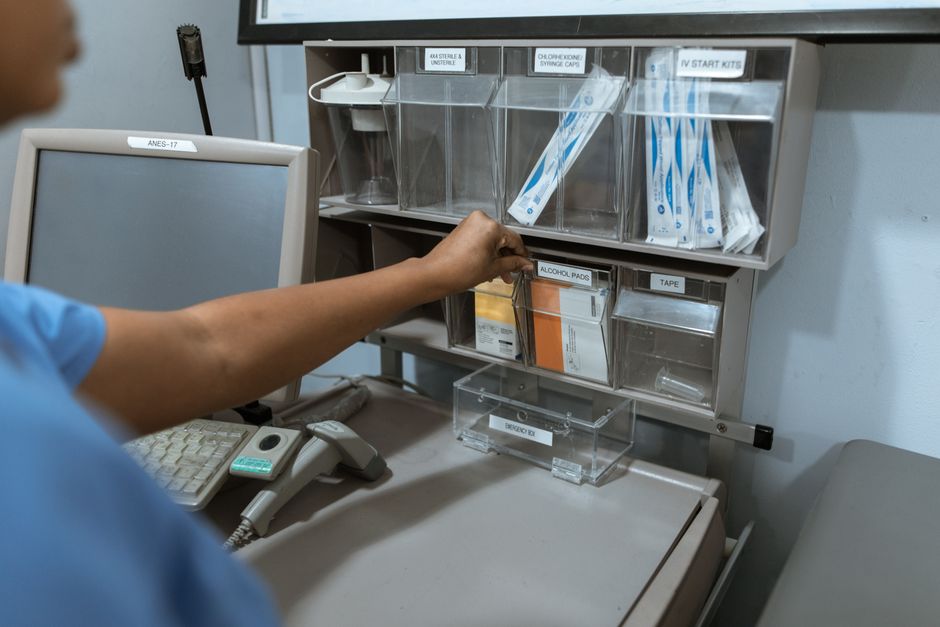
Reduce Administrative Tasks in Medical Offices
Healthcare providers face mounting pressure to deliver exceptional patient care while managing increasingly complex administrative responsibilities. Medical offices nationwide are discovering that administrative burdens consume up to 60% of their operational time, diverting crucial resources away from patient-centered activities. In 2026, understanding how to systematically reduce administrative tasks medical office has become essential for practice sustainability and provider wellbeing.
The administrative workload in medical offices encompasses billing, coding, insurance verification, appointment scheduling, credentialing, and compliance documentation. Each of these components requires meticulous attention to detail and considerable time investment. However, strategic approaches to streamlining these processes can transform practice efficiency, improve revenue cycles, and allow healthcare professionals to refocus on their primary mission: patient care.
The Hidden Cost of Administrative Burden
Administrative tasks impose both visible and hidden costs on medical practices. Direct costs include salaries for administrative staff, software subscriptions, and office supplies. However, the indirect costs often prove more significant—physician burnout, delayed patient care, coding errors leading to claim denials, and missed revenue opportunities all stem from excessive administrative demands.

Research consistently demonstrates that physicians spend nearly two hours on administrative work for every hour of direct patient care. This imbalance contributes to professional dissatisfaction and affects patient outcomes. Documentation requirements, prior authorization processes, and billing complexities have intensified over recent years, creating an unsustainable administrative ecosystem within healthcare delivery.
The financial impact extends beyond labor costs. Claim denials resulting from administrative errors cost practices thousands of dollars monthly in lost revenue and resubmission expenses. Delayed billing cycles compromise cash flow, while inefficient credentialing processes prevent providers from seeing patients covered by certain insurance plans. Addressing these challenges requires comprehensive strategies that target root causes rather than symptoms.
Outsourcing Medical Billing and Revenue Cycle Management
One of the most effective strategies for reducing administrative workload involves partnering with specialized medical billing services. Professional billing companies possess expertise in coding accuracy, denial prevention, and accounts receivable management that many in-house teams cannot replicate. This specialization translates directly into improved claim acceptance rates and faster payment cycles.

Outsourcing billing operations eliminates the need for practices to maintain extensive in-house billing departments, reducing overhead costs associated with hiring, training, and retaining billing specialists. External billing partners stay current with constantly evolving coding requirements, payer policies, and regulatory changes—a full-time responsibility that diverts resources when managed internally.
Revenue cycle management extends beyond simple claim submission. Comprehensive services include patient eligibility verification, charge capture, payment posting, and detailed reporting that provides practices with financial transparency. When these functions operate efficiently under expert management, practices experience reduced days in accounts receivable, lower denial rates, and improved overall revenue performance.
HIPAA-compliant operations remain paramount when selecting billing partners. Reputable billing services implement robust security protocols, regular staff training, and encrypted communication systems to protect patient information. This compliance framework removes another administrative burden from practice leadership while ensuring regulatory adherence.
Implementing Technology Solutions for Efficiency
Modern technology platforms offer powerful tools for administrative task reduction. Electronic health record (EHR) systems with integrated billing capabilities streamline documentation and charge capture, reducing duplicate data entry and associated errors. Practice management software automates appointment scheduling, patient reminders, and insurance verification processes that traditionally consumed significant staff time.

Artificial intelligence and machine learning applications now assist with coding suggestions, documentation analysis, and predictive analytics for denial prevention. These technologies identify patterns in claim denials, flagging potential issues before submission and significantly improving first-pass acceptance rates. Automated eligibility verification systems check patient insurance coverage in real-time, preventing scheduling errors and reducing front-desk workload.
Patient portals empower individuals to complete registration paperwork, update demographic information, and communicate with office staff electronically. This self-service approach reduces phone call volume and administrative interruptions while improving patient satisfaction. Digital document management eliminates physical filing systems, creating searchable databases that enhance information retrieval and reduce storage requirements.
However, technology implementation requires careful planning and staff training. Systems should integrate seamlessly with existing workflows rather than creating additional complexity. Successful technology adoption depends on selecting solutions aligned with practice size, specialty requirements, and long-term strategic goals.
Streamlining Credentialing and Compliance Processes
Provider credentialing represents one of the most time-intensive administrative processes in healthcare. Initial credentialing can take 90-120 days, while re-credentialing occurs every two to three years. These processes require gathering extensive documentation, coordinating with multiple insurance payers, and maintaining meticulous records to ensure uninterrupted network participation.

Specialized credentialing services manage these complex processes on behalf of practices, tracking renewal deadlines, maintaining up-to-date documentation, and coordinating directly with payer organizations. This proactive approach prevents lapses in network participation that could result in claim denials and revenue loss. Professional credentialing specialists understand payer-specific requirements and expedite application processing through established relationships.
Compliance documentation extends beyond credentialing to include quality reporting, regulatory audits, and accreditation maintenance. Creating standardized templates and checklists helps systematize compliance activities, reducing redundant effort and ensuring consistency. Regular compliance audits identify process gaps before they become regulatory violations, protecting practices from penalties and reputation damage.
Maintaining a centralized compliance calendar with automated reminders prevents missed deadlines for license renewals, continuing education requirements, and mandatory reporting. This organizational approach transforms reactive compliance management into a proactive, systematized process that requires minimal ongoing attention.
Developing Standard Operating Procedures
Well-documented standard operating procedures (SOPs) reduce administrative inefficiency by creating consistent workflows for routine tasks. SOPs eliminate ambiguity about process ownership, reduce training time for new staff, and minimize errors resulting from individual interpretation of responsibilities. Every administrative function should have a corresponding procedure document accessible to relevant team members.
Process mapping exercises identify redundancies and bottlenecks in existing workflows. By visualizing how information flows through the practice, leadership can identify opportunities for consolidation, automation, or elimination of unnecessary steps. This analytical approach often reveals that tasks persist simply because “we’ve always done it this way,” rather than serving current operational needs.
Cross-training staff on multiple administrative functions creates operational resilience during absences and distributes workload more evenly. When team members understand interconnected processes, they can identify improvement opportunities and collaborate more effectively. This comprehensive understanding also enhances job satisfaction by providing variety and professional development opportunities.
Regular process reviews ensure SOPs remain relevant as practice operations evolve. Quarterly or semi-annual assessments invite staff feedback on procedural effectiveness and identify emerging challenges requiring policy updates. This continuous improvement mindset prevents administrative creep and maintains operational efficiency over time.
Prioritizing Staff Wellbeing and Work-Life Balance
Reducing administrative tasks ultimately serves a human purpose—supporting staff wellbeing and sustainable work practices. Excessive administrative burden contributes to healthcare worker burnout, a crisis affecting providers and support staff alike. Creating efficient administrative systems demonstrates organizational commitment to employee health and retention.
Just as healthcare professionals recommend improving cash flow for patient health, they must also prioritize their own wellness. Reducing time spent on administrative tasks creates space for self-care activities that maintain professional resilience. The importance of a financial management guide and adequate rest cannot be overstated for healthcare workers managing demanding schedules.
Understanding the relationship between work stress and sleep quality, as detailed by the Sleep Foundation, highlights why administrative efficiency matters beyond financial metrics. Healthcare professionals experiencing chronic administrative overload often struggle with sleep disruption, creating a cycle that affects both professional performance and personal health.
Organizational culture that values efficiency over busyness encourages staff to identify and eliminate wasteful practices. Empowering team members to suggest process improvements creates ownership and investment in administrative excellence. Recognition of efficiency achievements reinforces desired behaviors and motivates continued optimization efforts.
Conclusion
Reducing administrative tasks in medical offices requires comprehensive strategies addressing technology, processes, and external partnerships. By outsourcing specialized functions like medical billing and revenue cycle management to expert providers, implementing intelligent technology solutions, streamlining credentialing and compliance activities, developing robust standard operating procedures, and prioritizing staff wellbeing, practices can dramatically reduce administrative burden while improving financial performance.
The benefits extend beyond operational efficiency to encompass provider satisfaction, patient care quality, and practice sustainability. As healthcare continues evolving in complexity, practices that proactively address administrative challenges position themselves for long-term success. Strategic investment in administrative efficiency represents an investment in the fundamental mission of healthcare—delivering exceptional patient care without unnecessary burden on those providing it.